
From June 20–27, 2026, Prof. Dr. Poom Kumam, Director of the TaCS Research Center, together with students from King Mongkut’s University of Technology Thonburi (KMUTT) and Rajamangala University of Technology Thanyaburi (RMUTT), participated in the Thailand–Japan Academic Exchange Program 2026 at Akita Prefectural University (APU), Japan. The program provided an excellent opportunity for the TaCS delegation to strengthen international academic partnerships, exchange research expertise, and broaden students’ global perspectives through collaborative activities with Japanese faculty members and students.
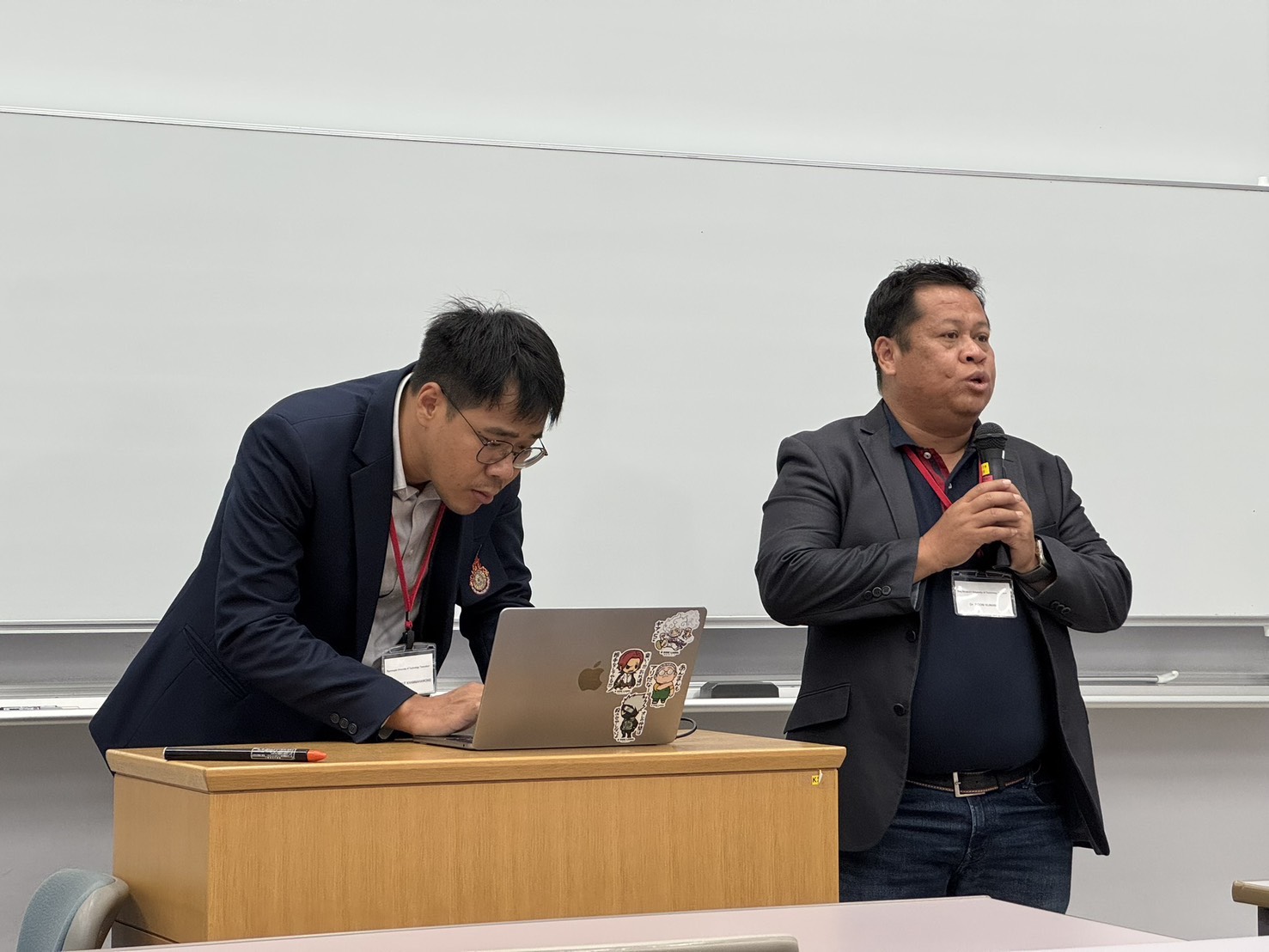
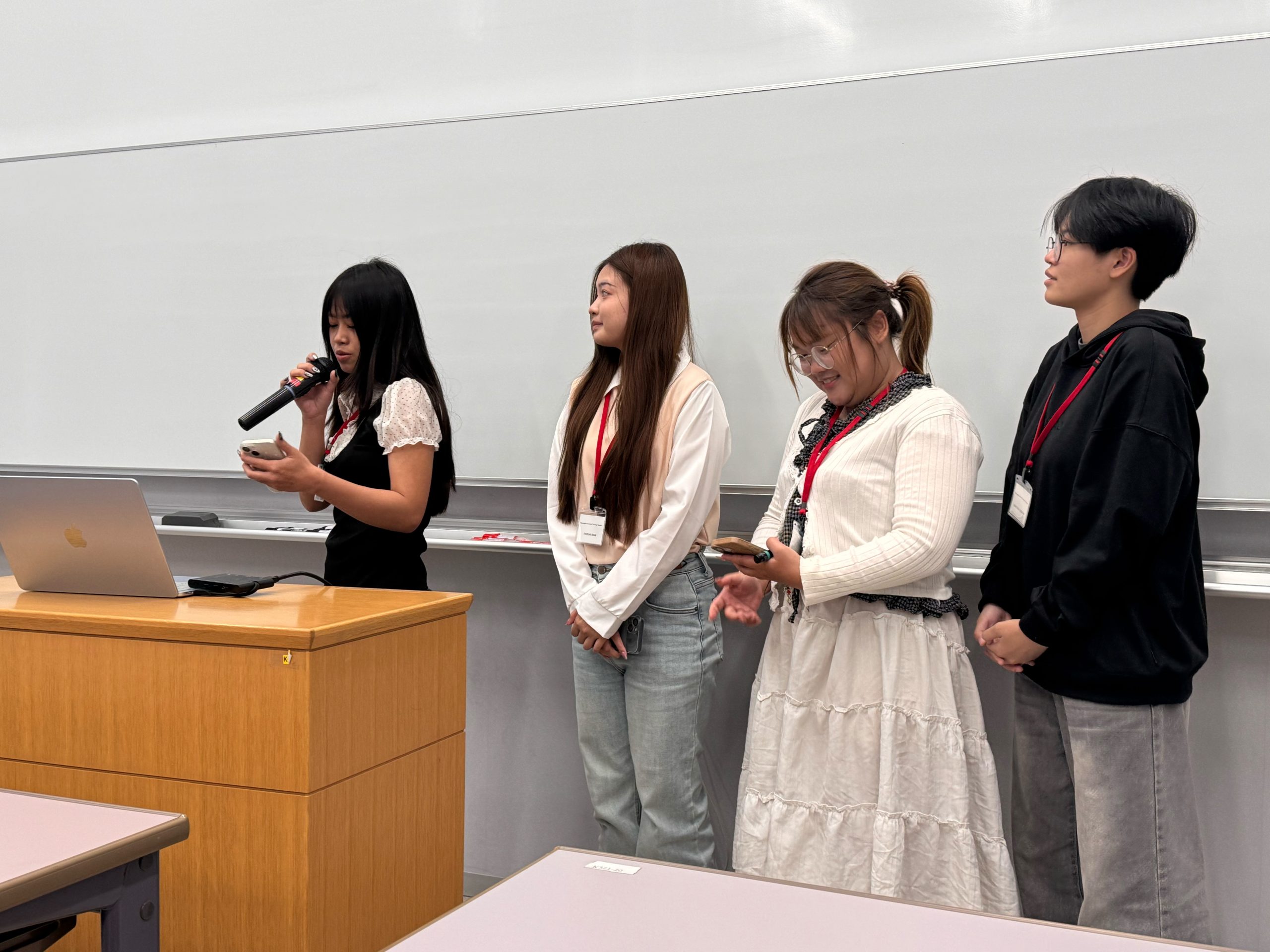
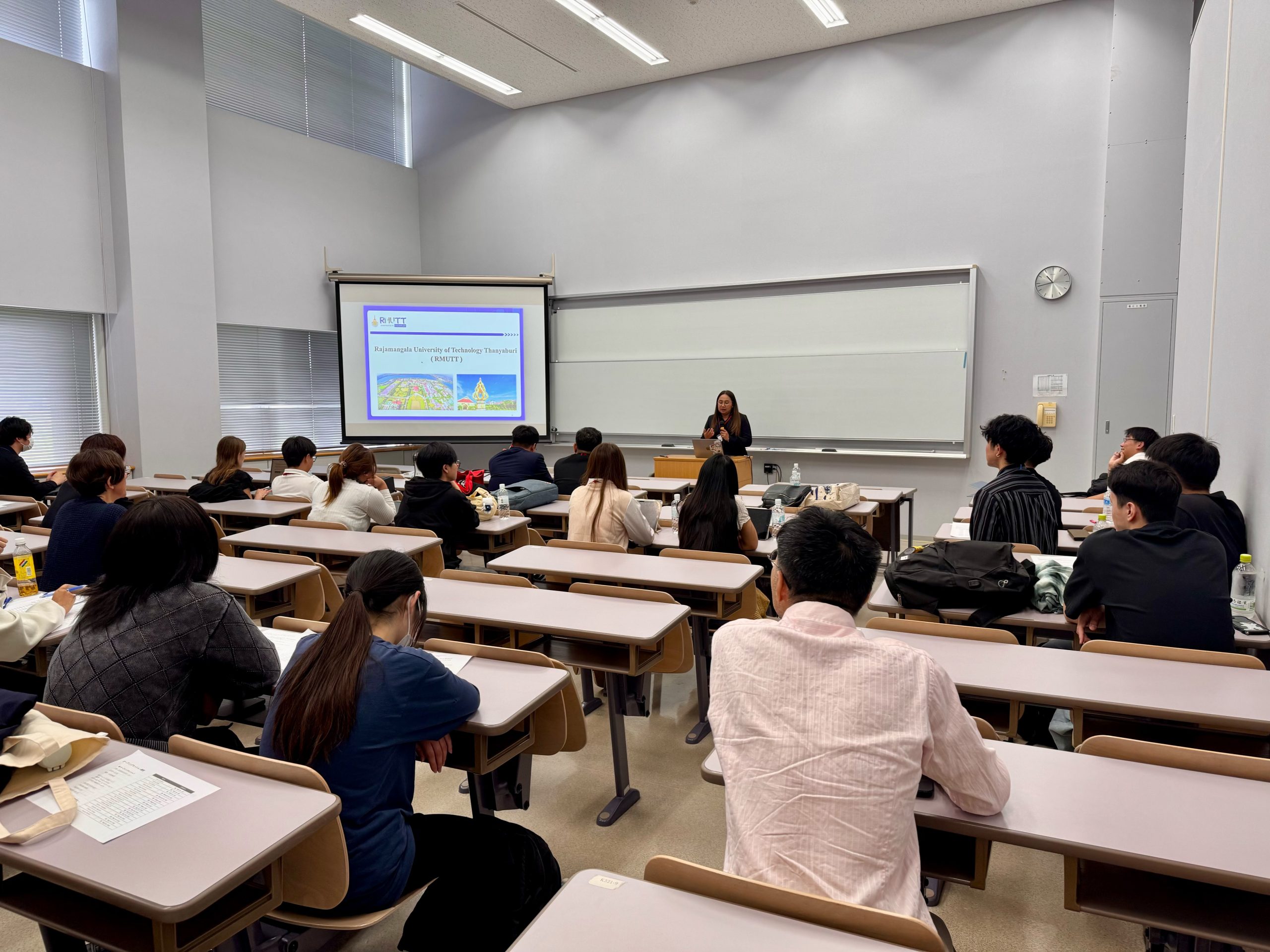
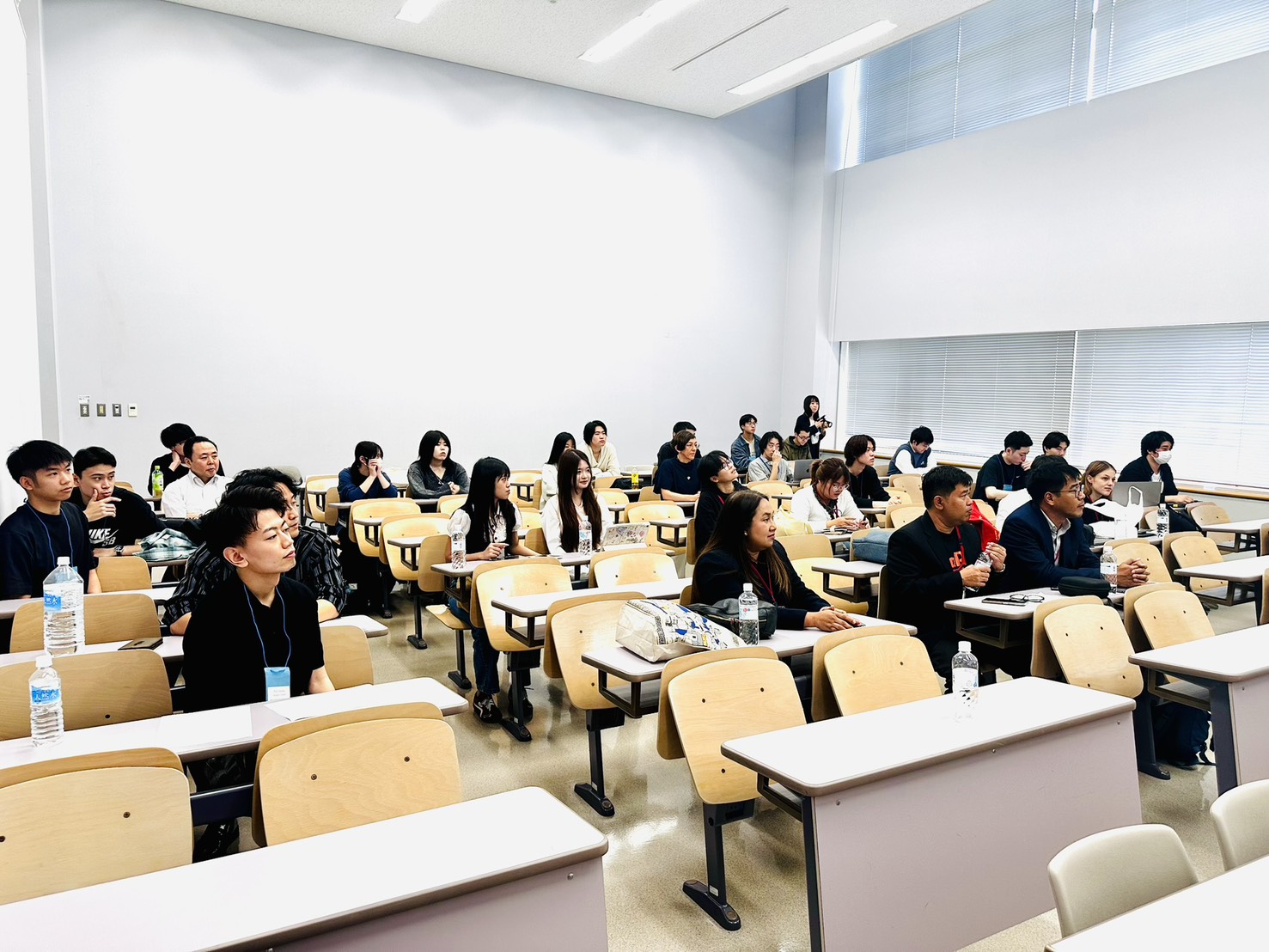
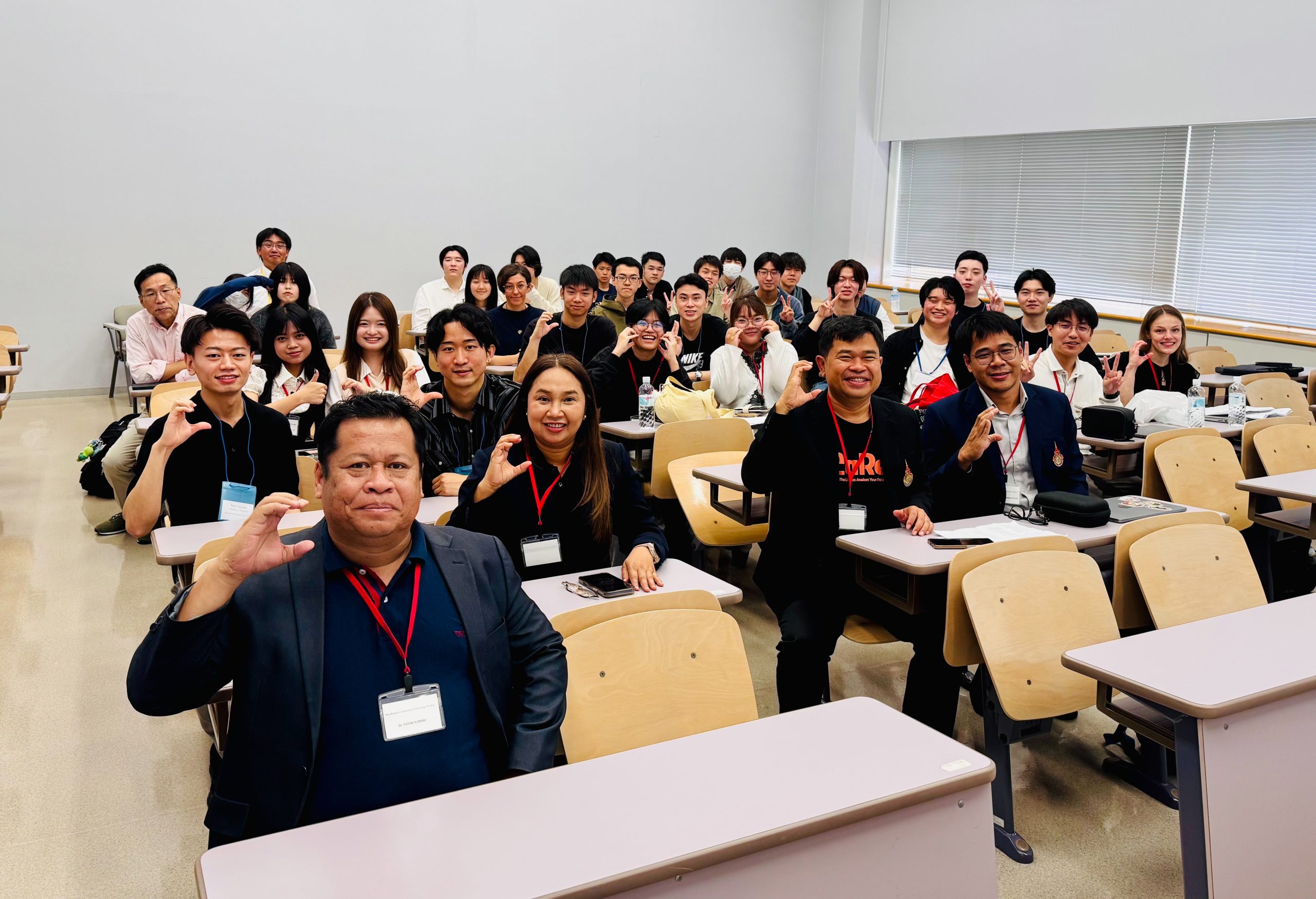
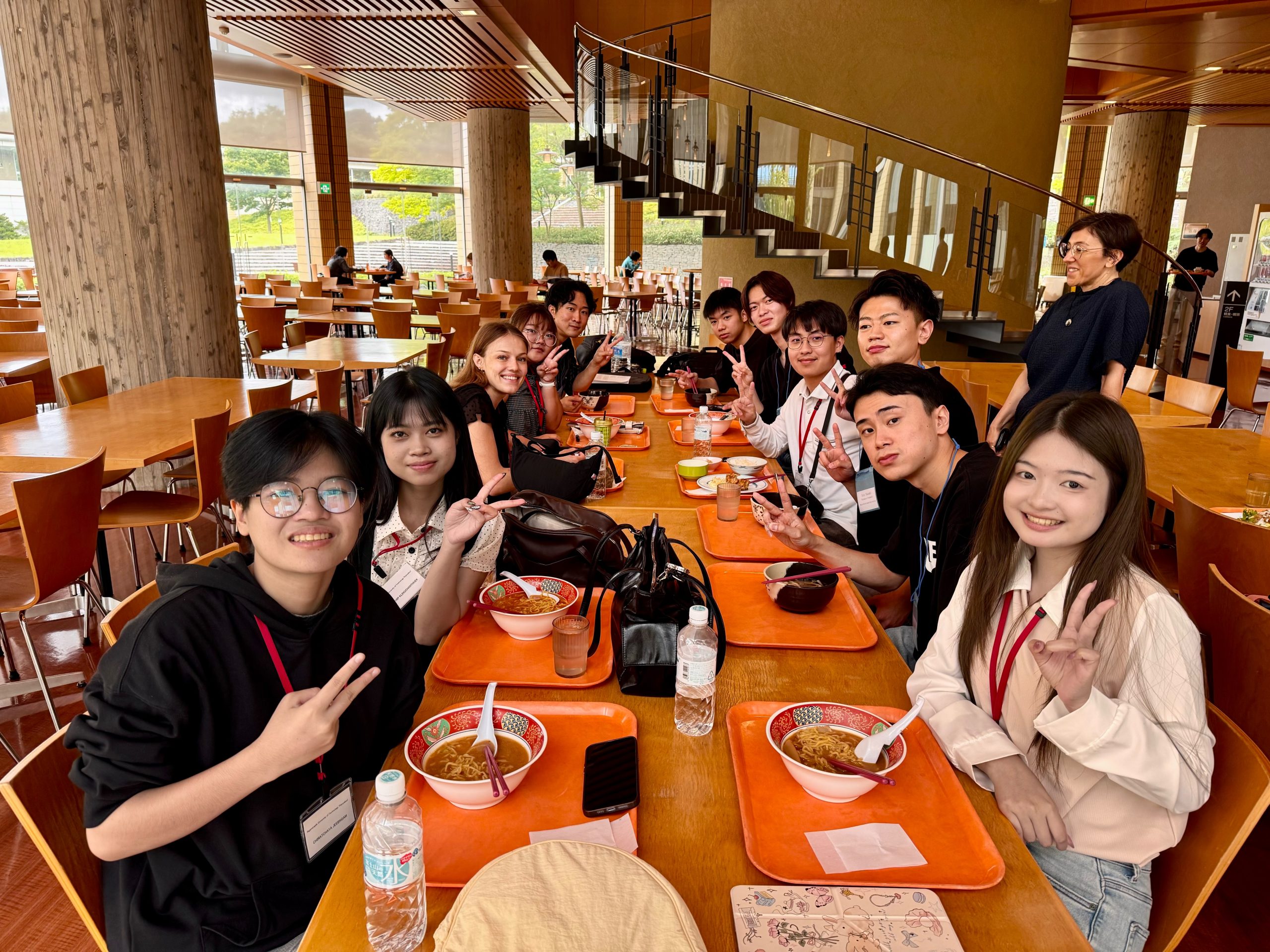
The TaCS delegation began the program by taking part in the opening session and academic workshop at APU’s Honjo Campus alongside participants from KMUTT, Rajamangala University of Technology Thanyaburi (RMUTT), and Akita Prefectural University. Following presentations introducing Akita’s culture and university life by APU students, faculty members, and students engaged in networking over lunch before participating in a research workshop featuring presentations from all three institutions. The lively discussions and exchange of research ideas provided valuable learning experiences and further strengthened academic collaboration among the participating universities.
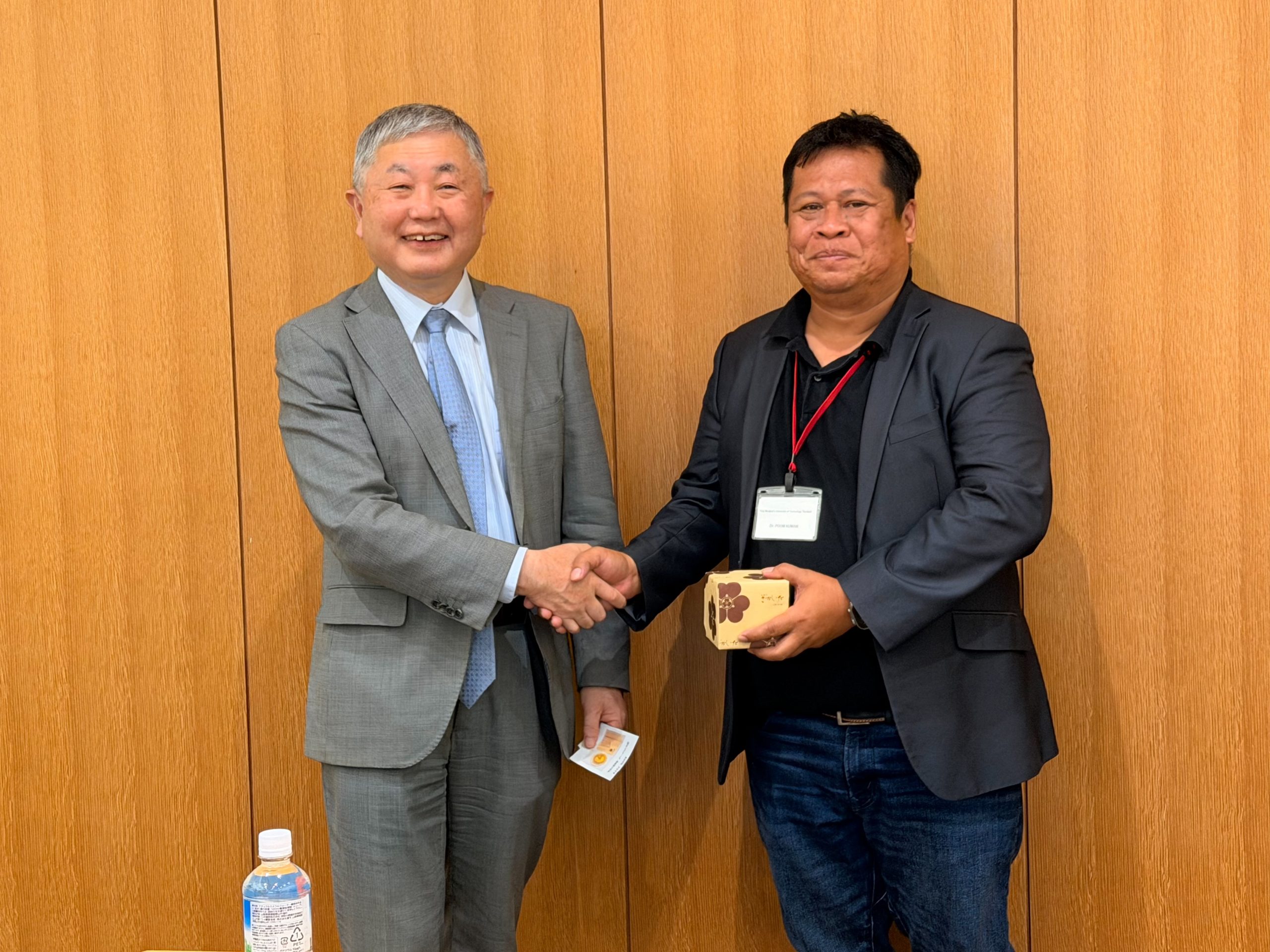
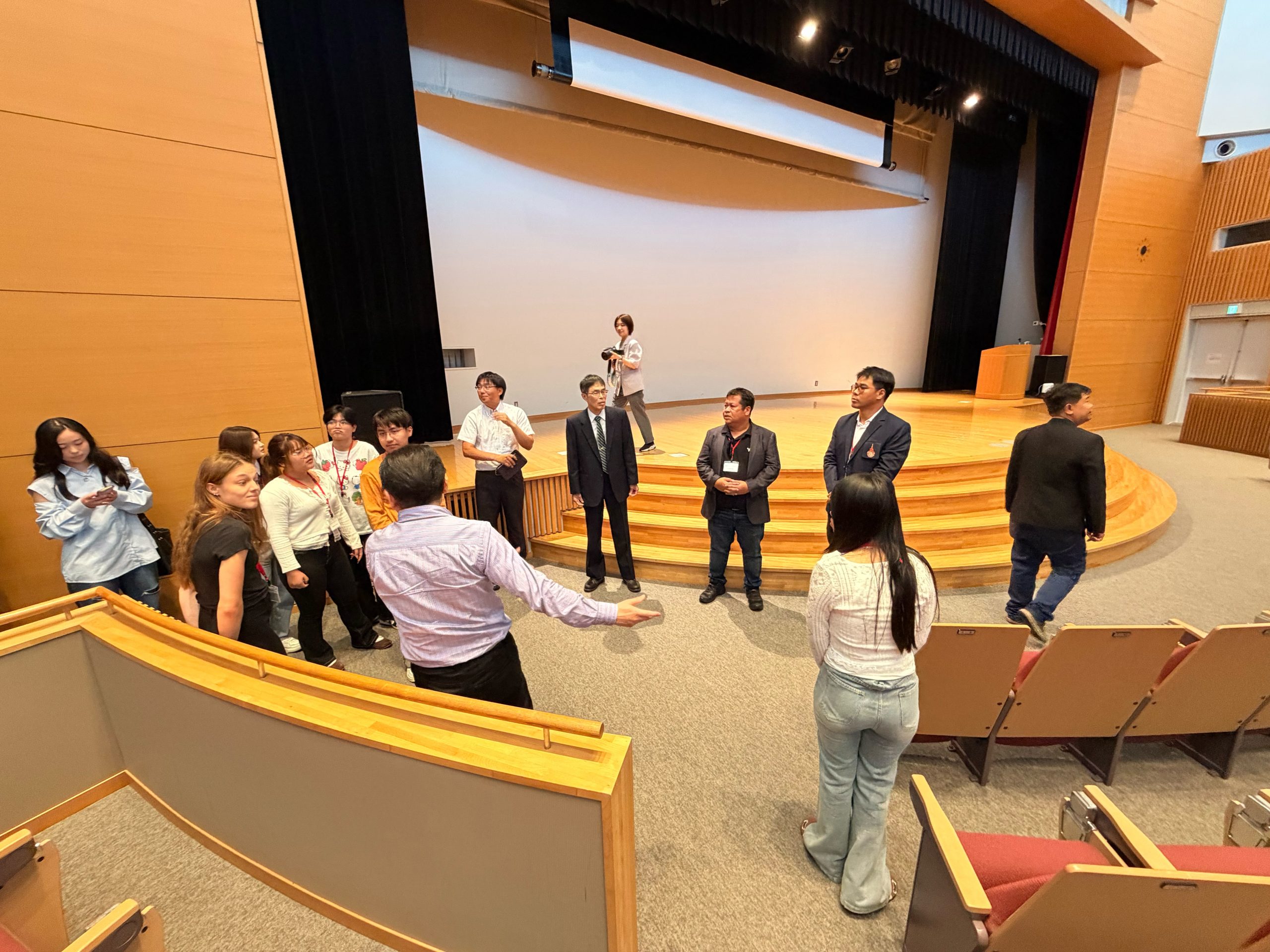
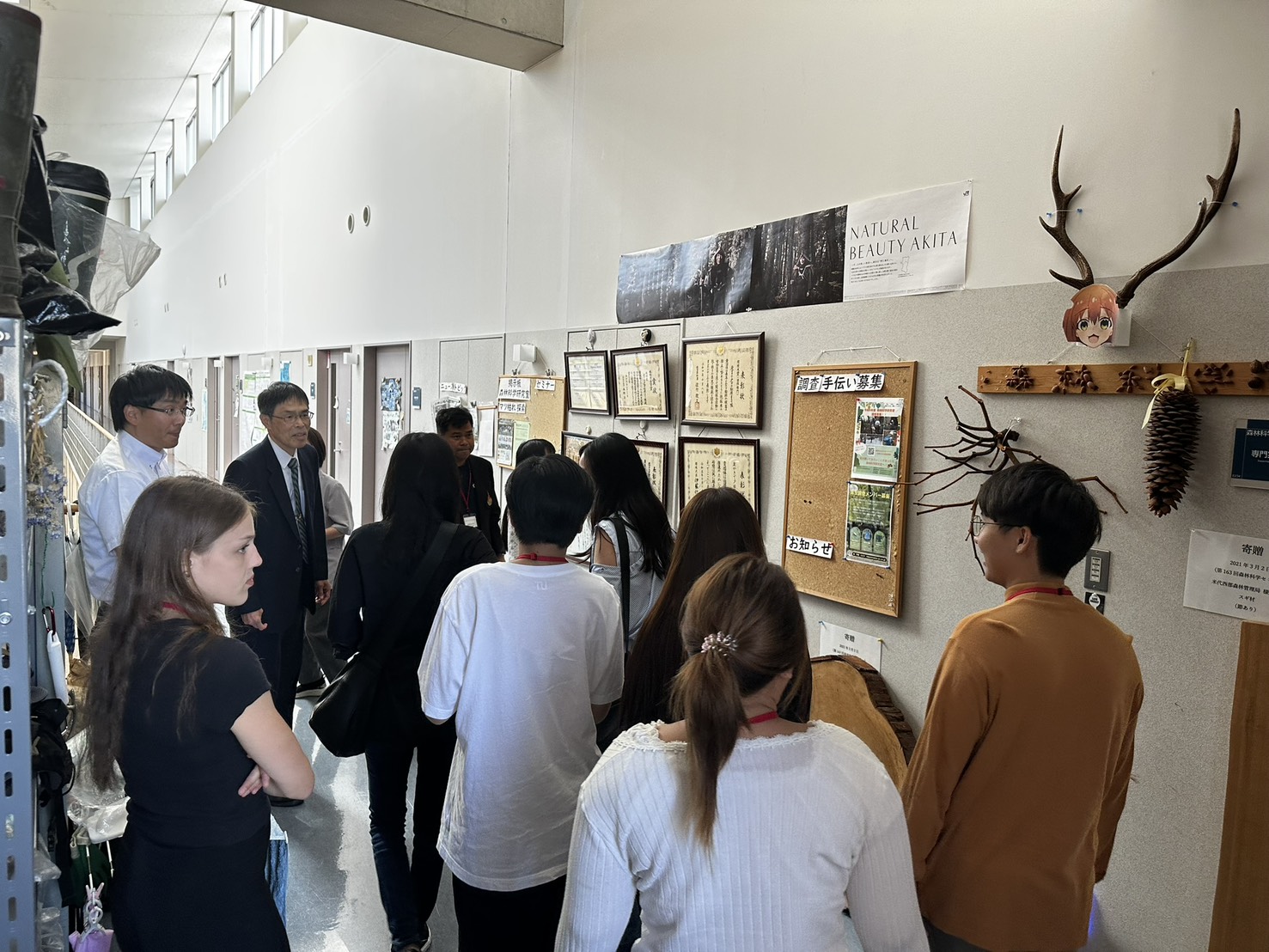
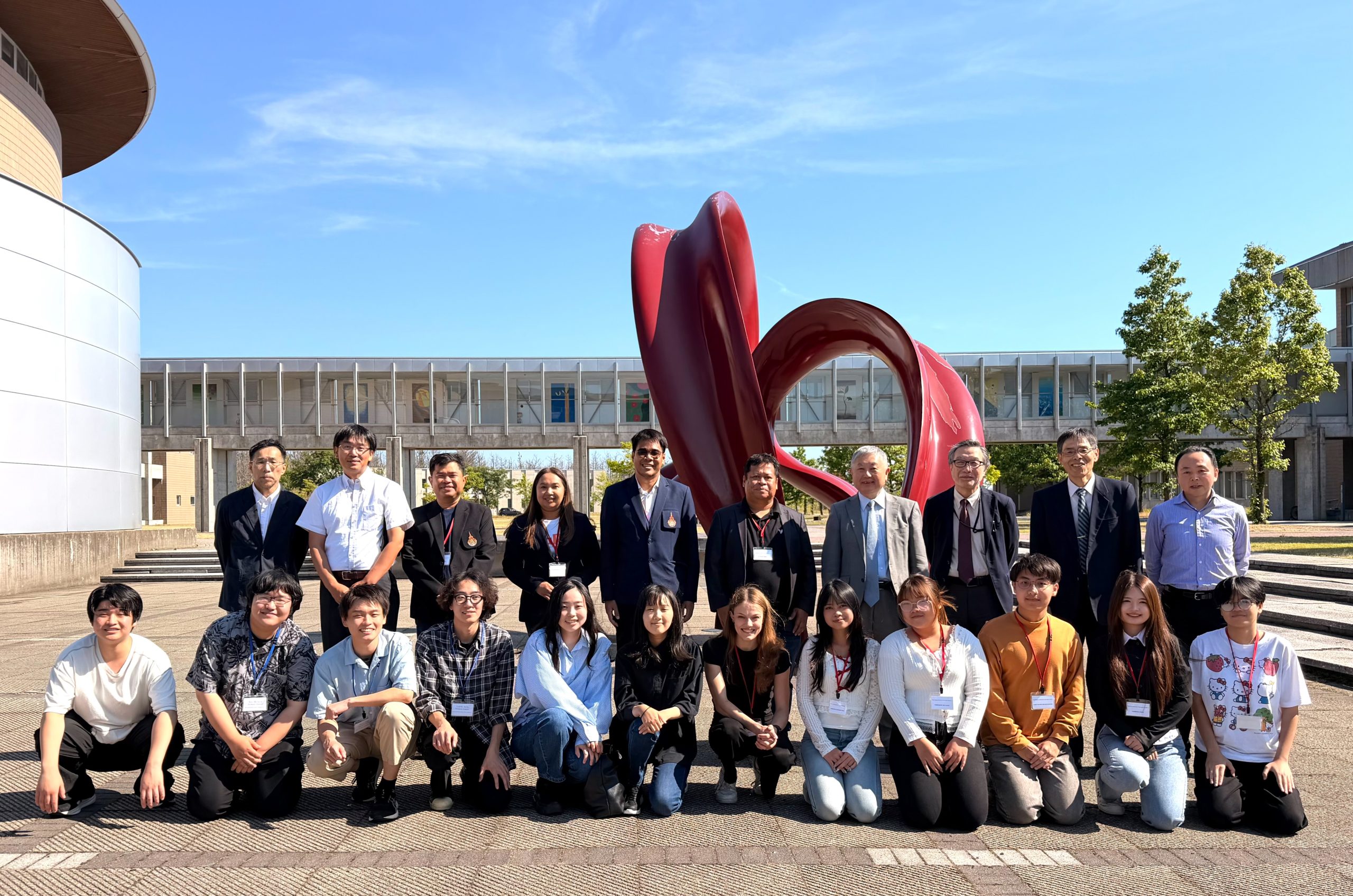
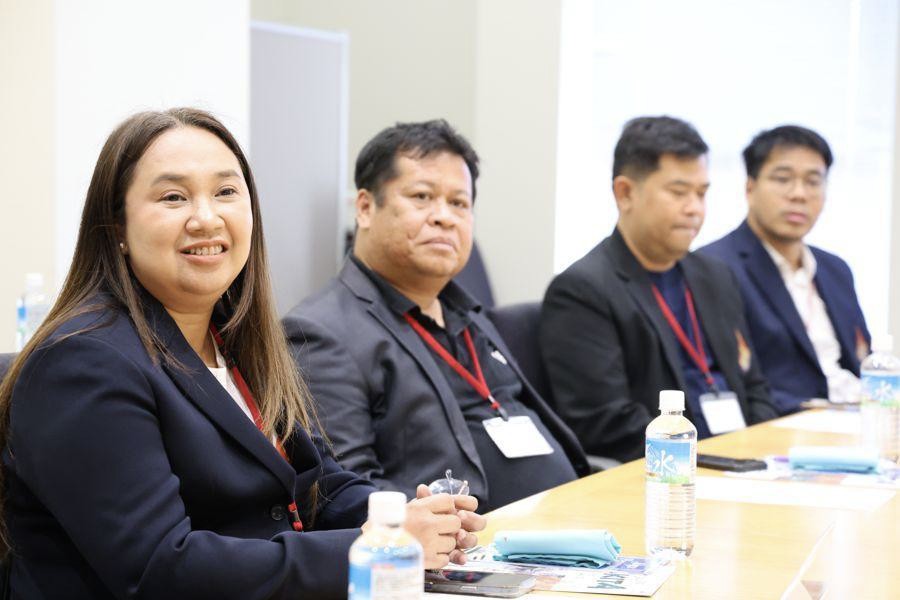
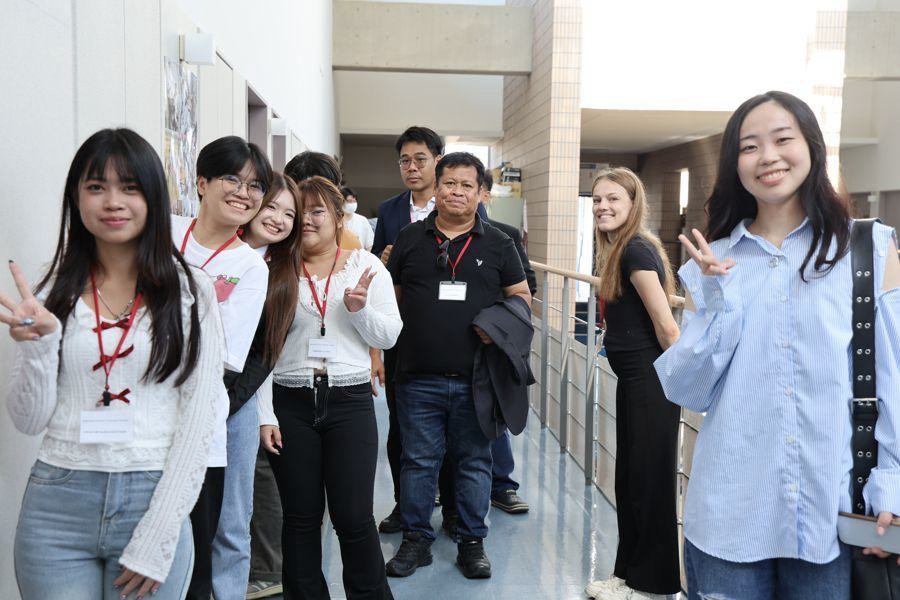
During the exchange program, the TaCS delegation also paid a courtesy visit to the university’s executive board, including President Hiroho Fukuda and the Vice Presidents, where greetings and commemorative gifts were exchanged to reinforce the partnership between the institutions. The delegation later toured the Akita Campus, gaining insights into its academic facilities, research laboratories, and learning environment while engaging in meaningful discussions with APU faculty members and students, further strengthening international academic relationships.
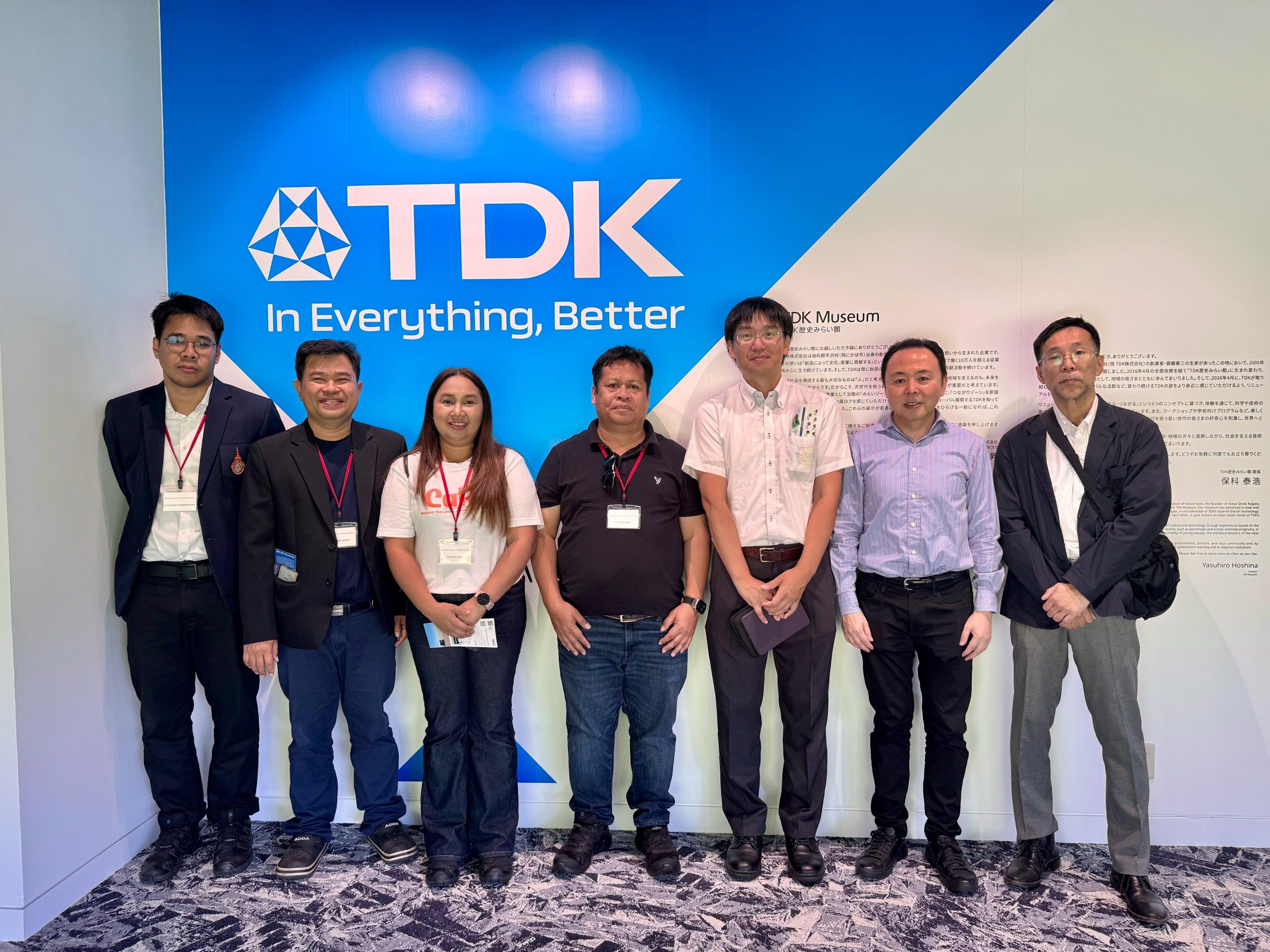
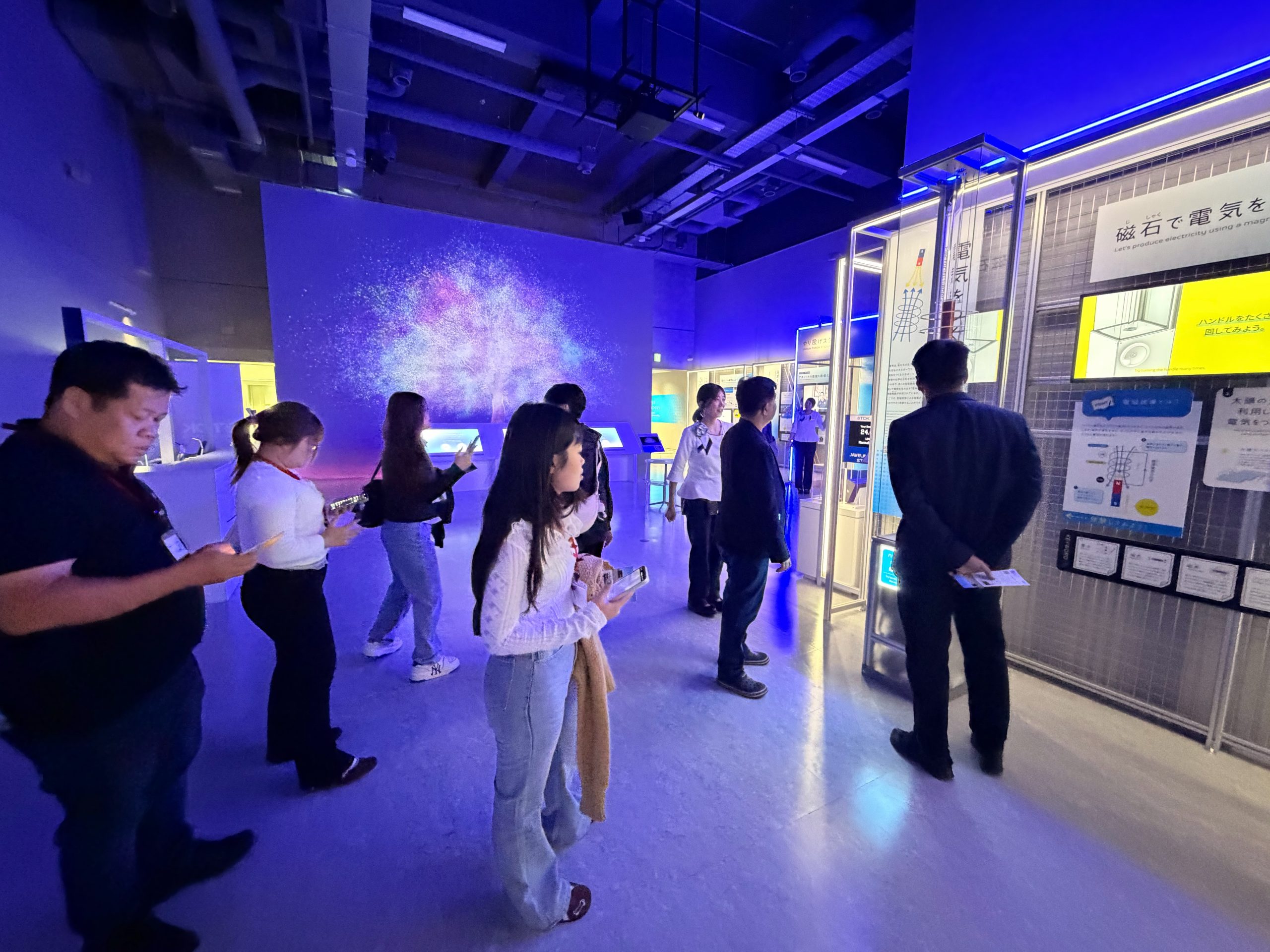
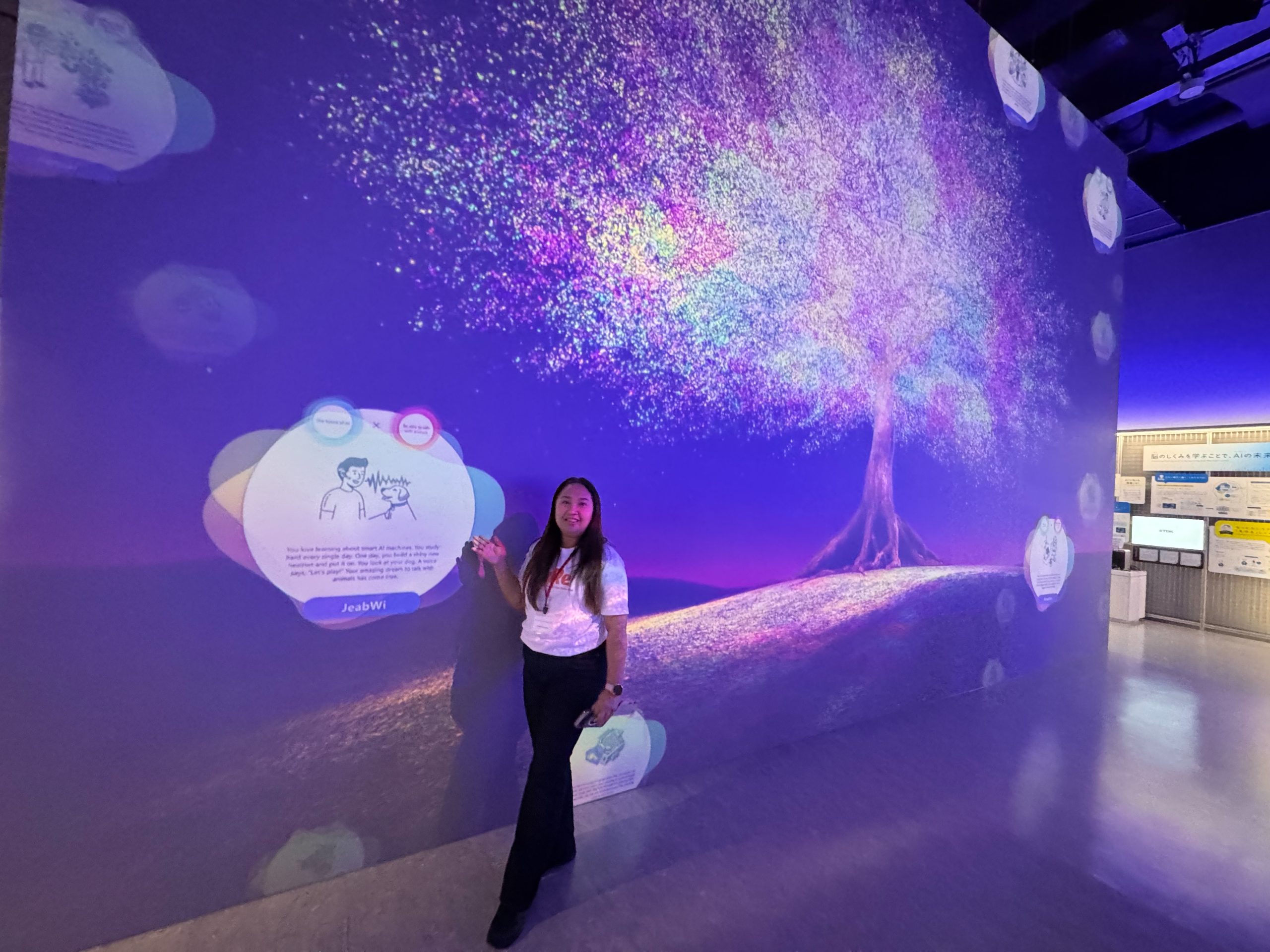
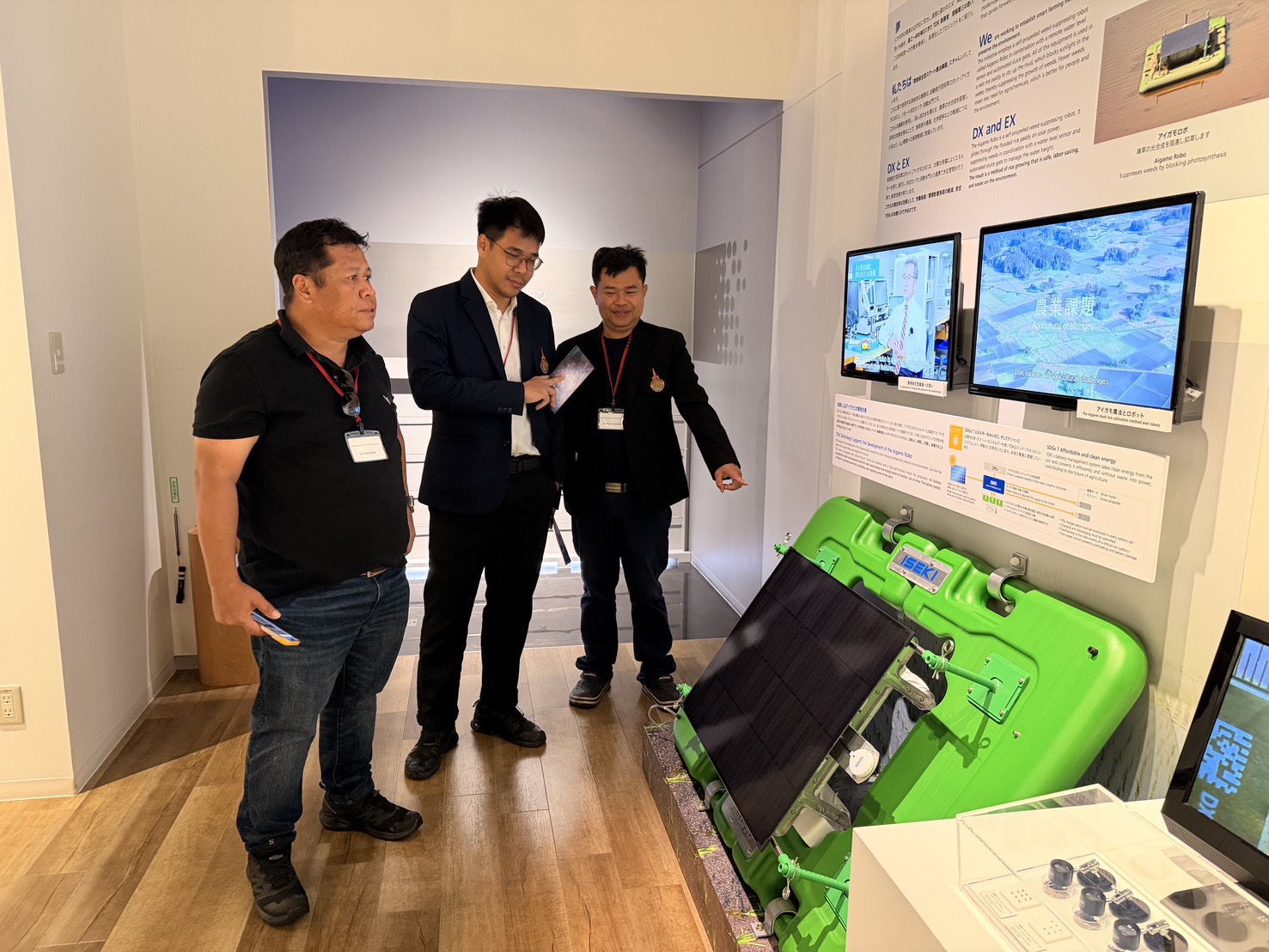
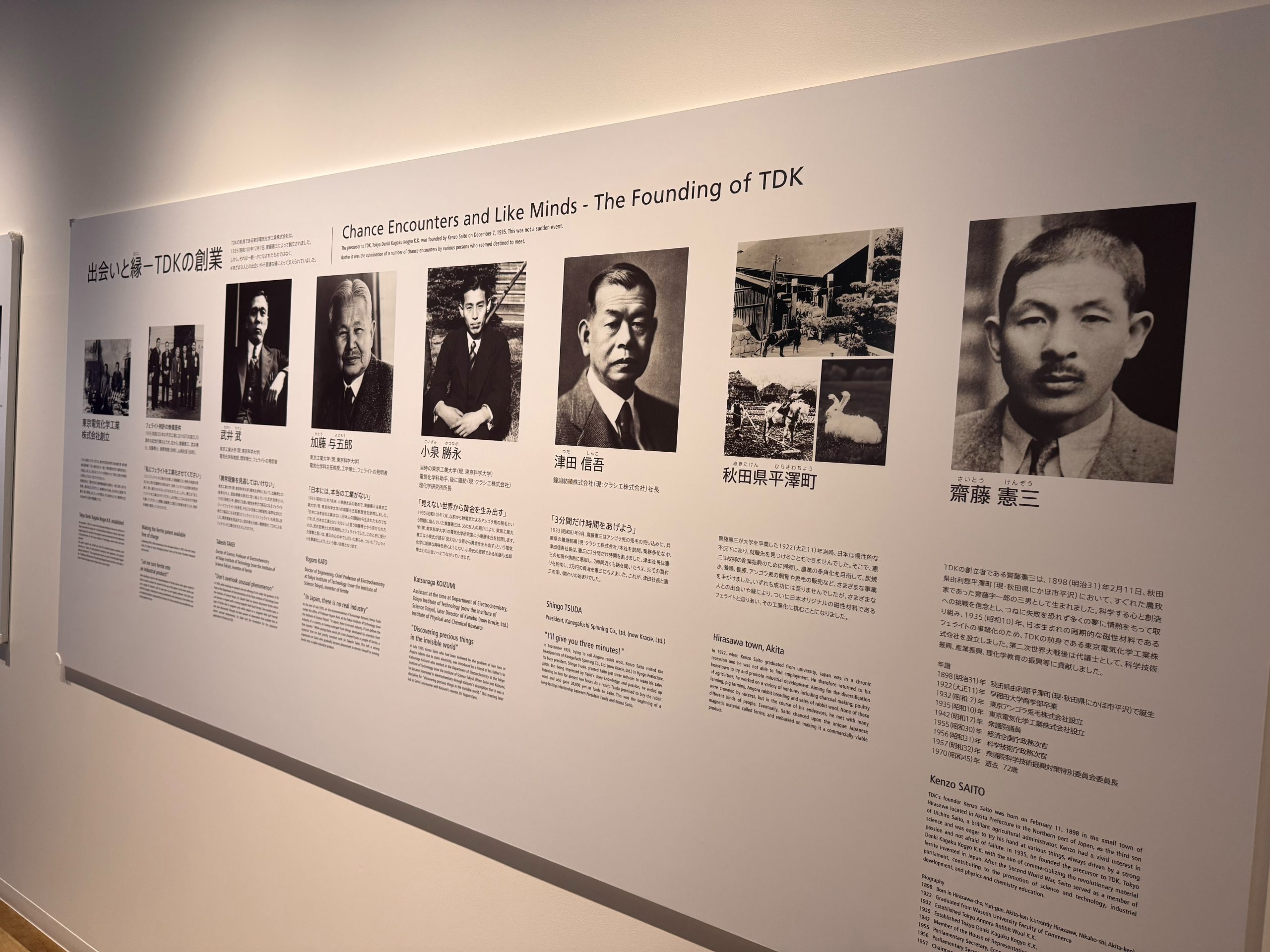
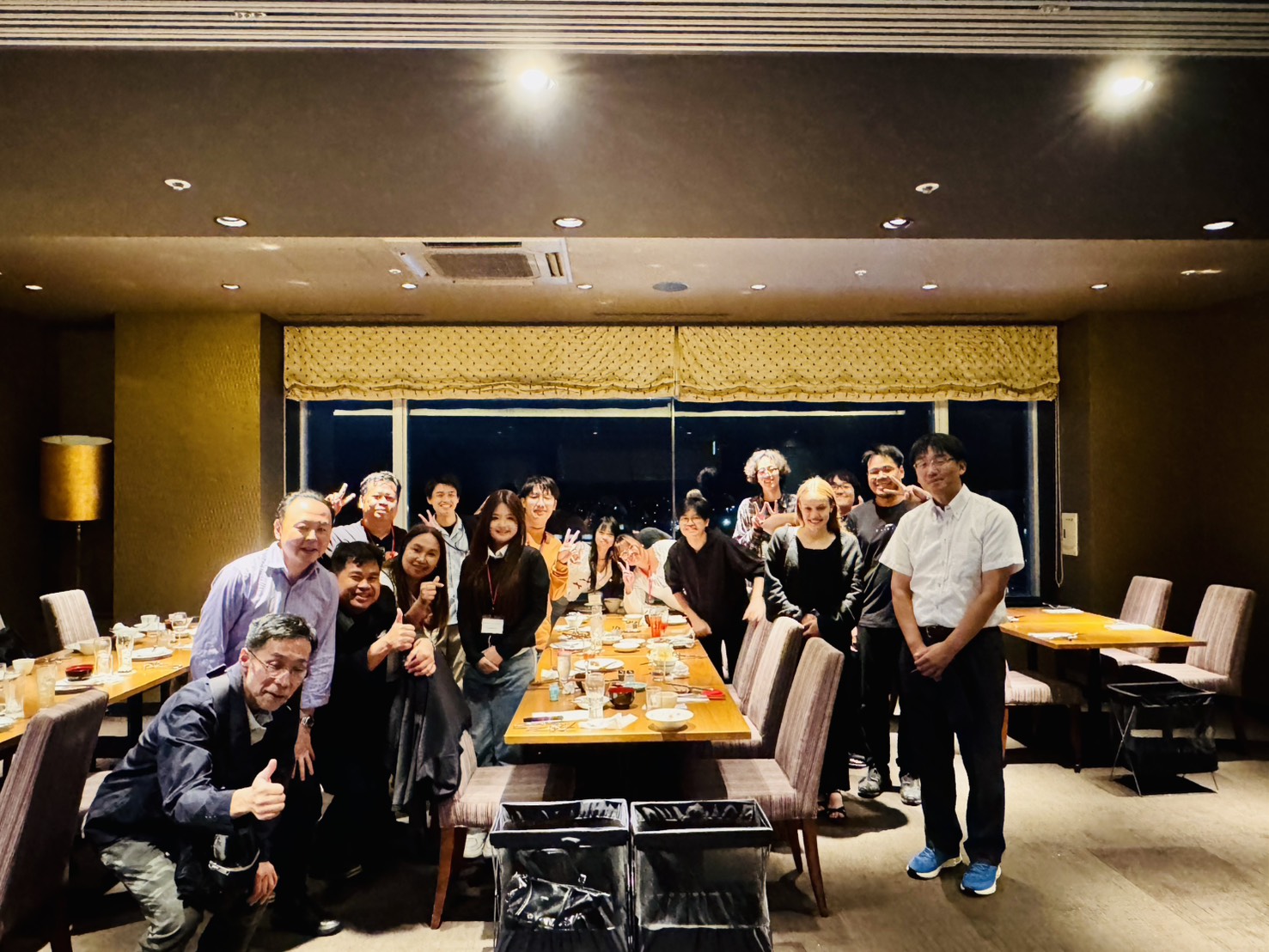
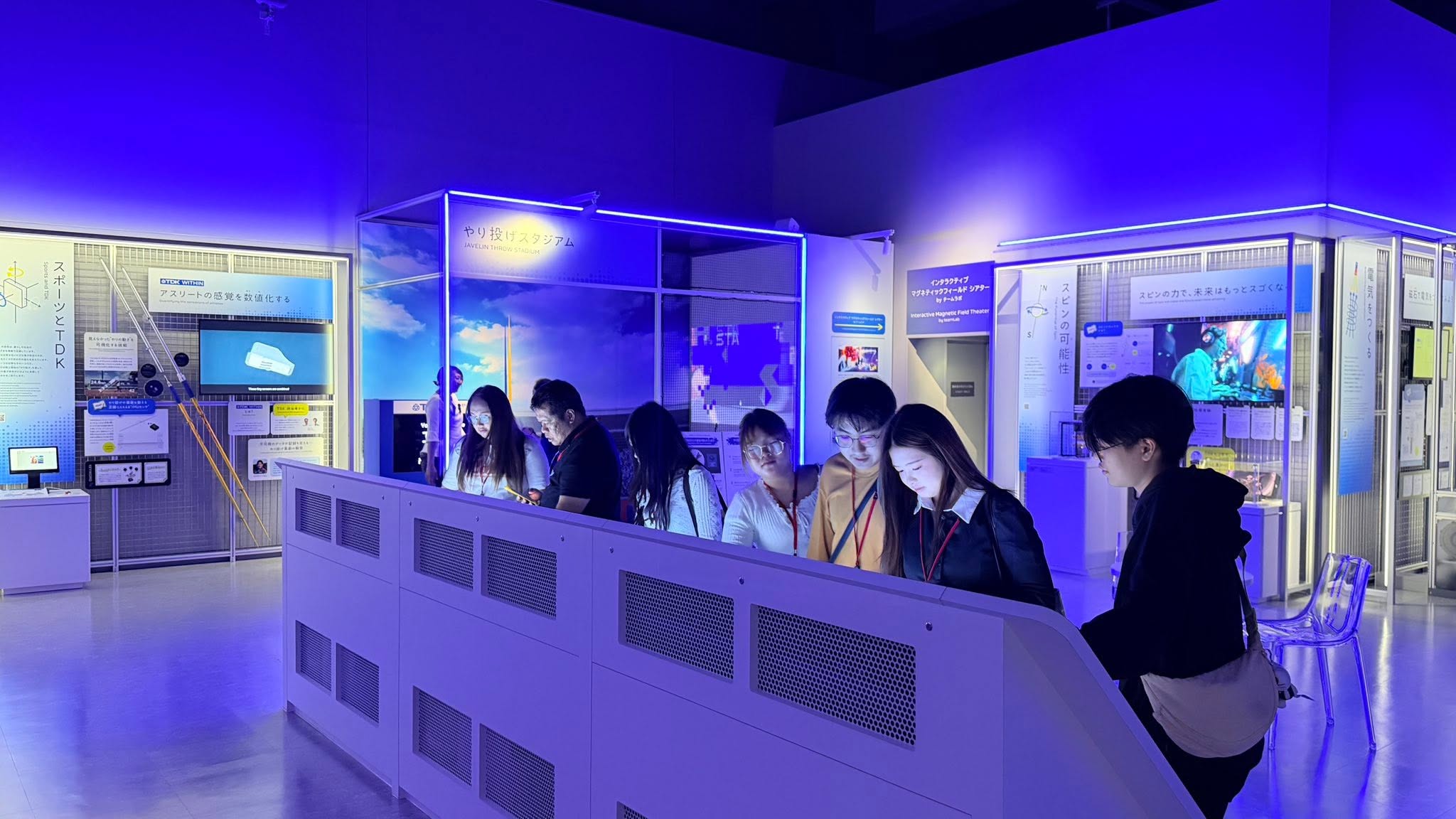
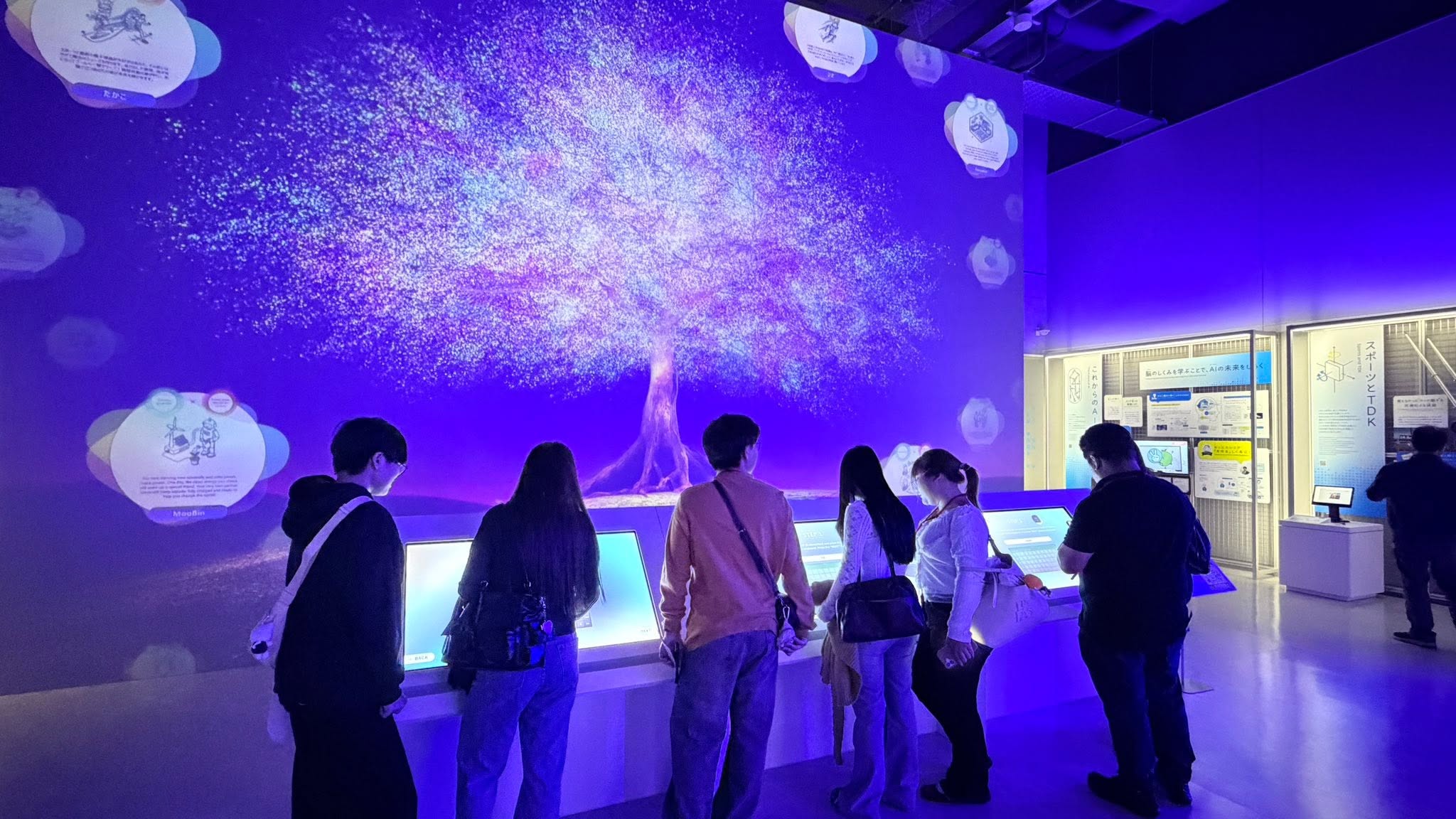
As part of the program’s cultural and industrial learning activities, the TaCS delegation visited the TDK Museum of History and Future in Nikaho City, where they gained valuable insights into the evolution of TDK, cutting-edge electronic technologies, and innovations in electronic components. The visit highlighted the importance of industry-academia connections while providing participants with a broader perspective on technological innovation.
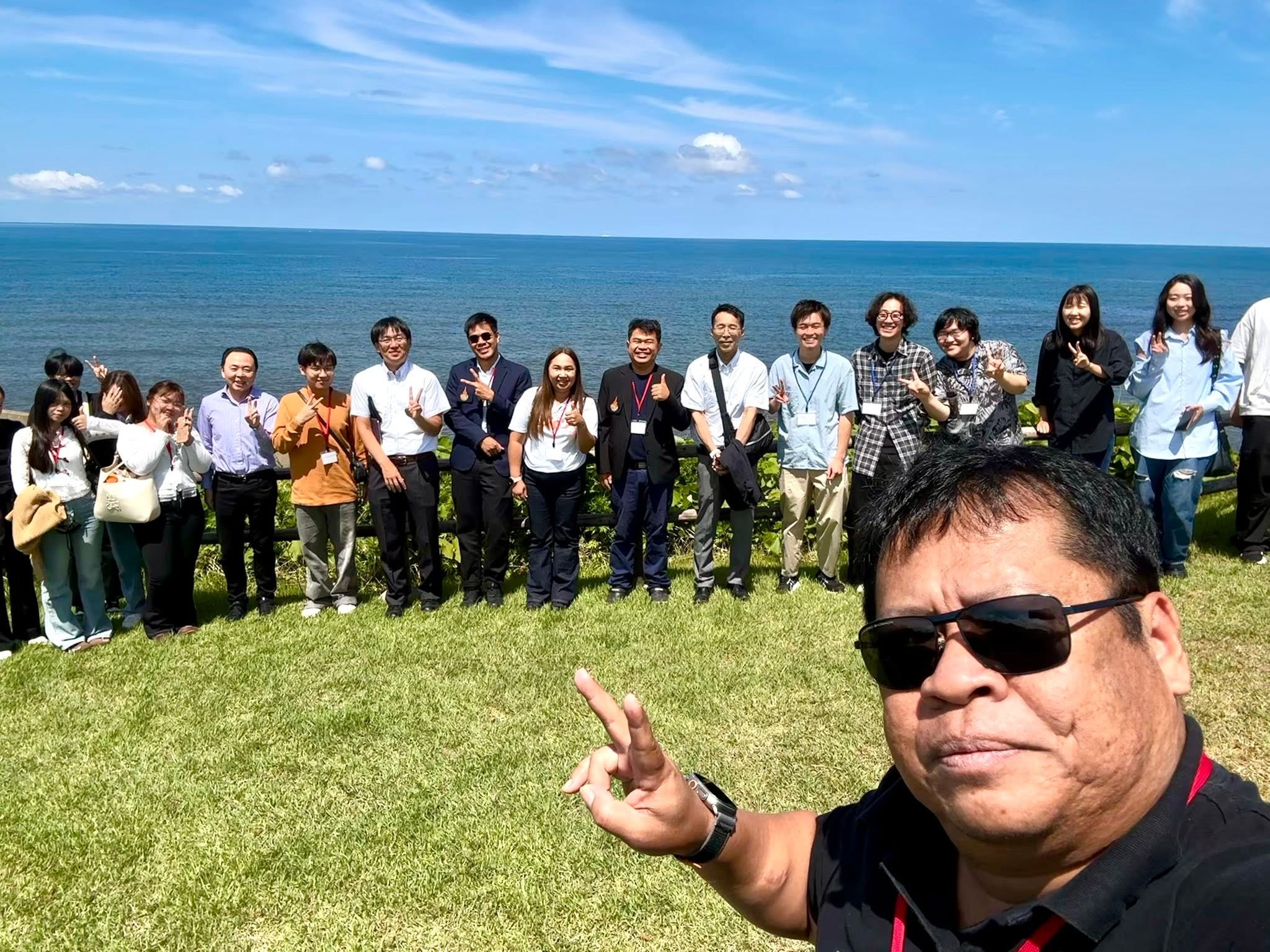
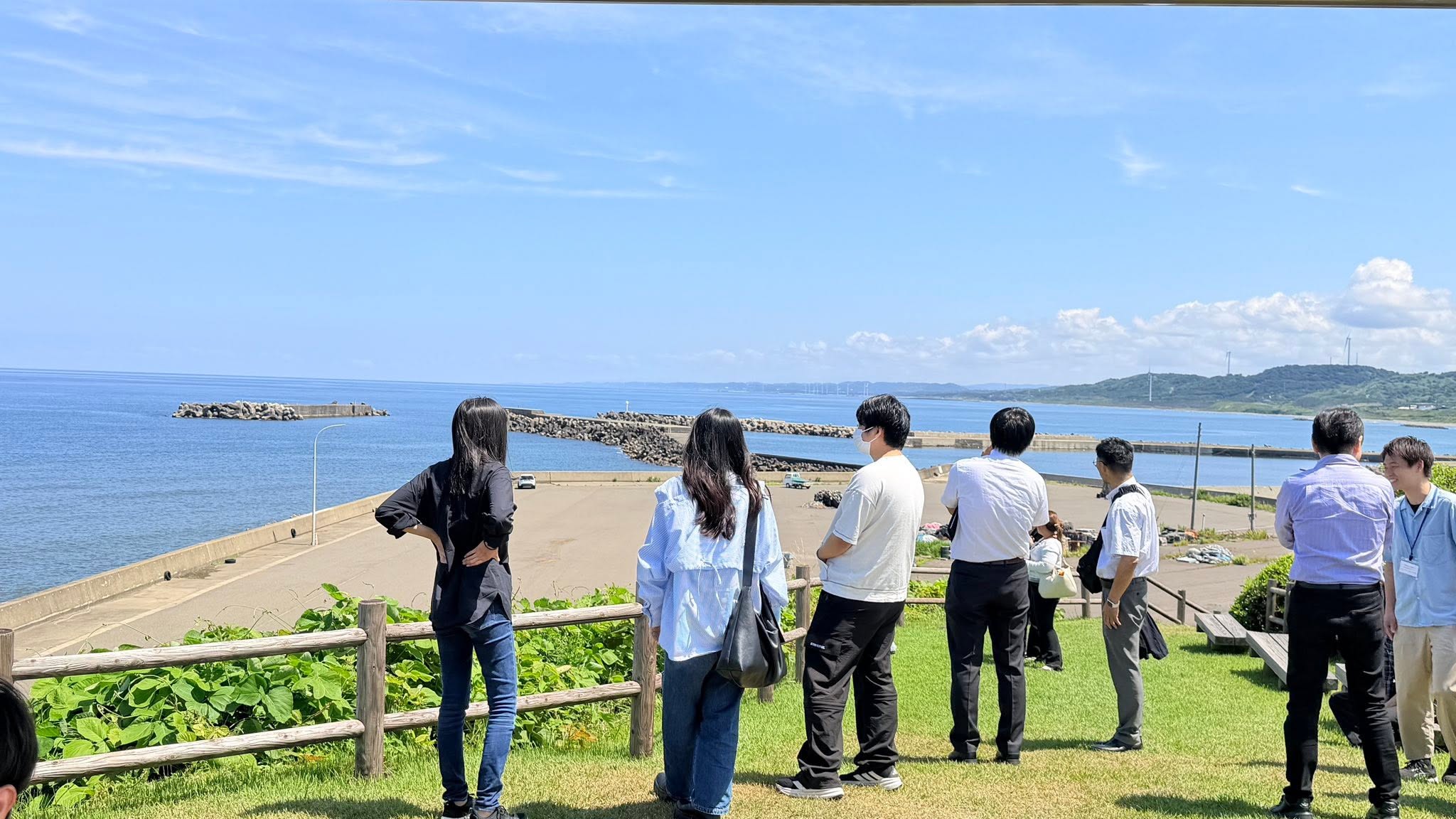
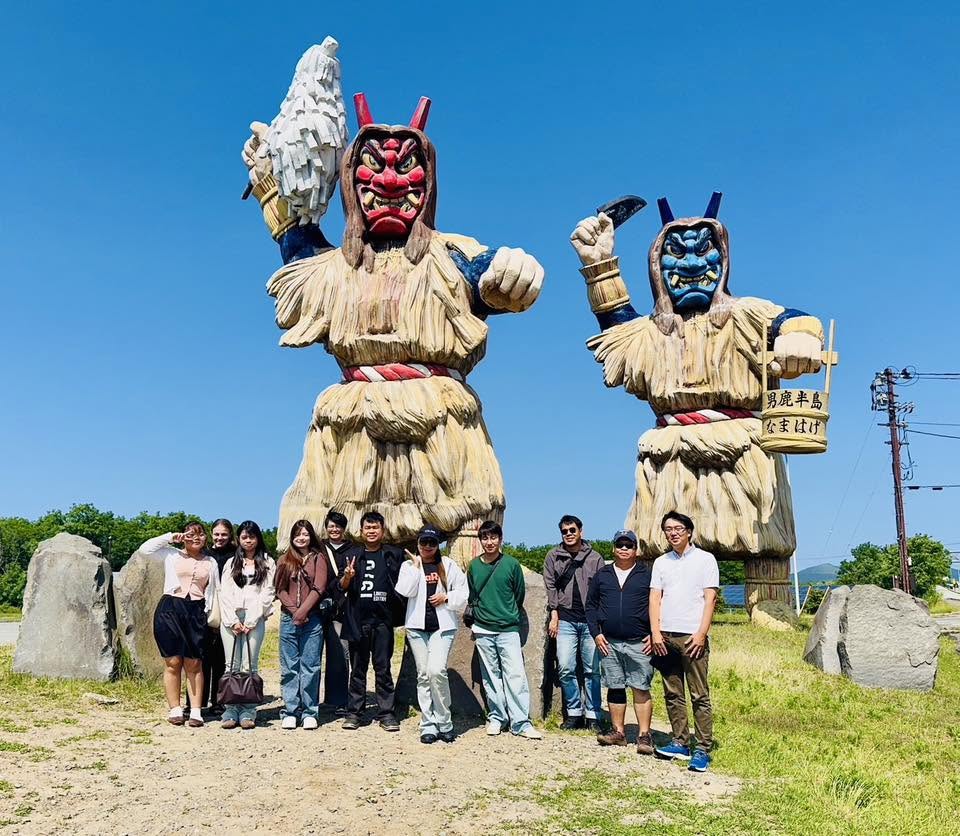

The program concluded with a cultural excursion to the Oga Peninsula, where the TaCS delegation explored the Namahage Museum, experienced the traditional Namahage performance at the Oga Shinzan Folklore Museum, and visited Oga Aquarium GAO to learn about the region’s rich marine ecosystem. These activities provided participants with a deeper appreciation of Japanese cultural heritage and local traditions while creating memorable experiences and reinforcing the TaCS Research Center’s commitment to international collaboration, cultural exchange, and global academic engagement.